Percussion-Hammer.com

The Home of the Foredom Percussor


Use


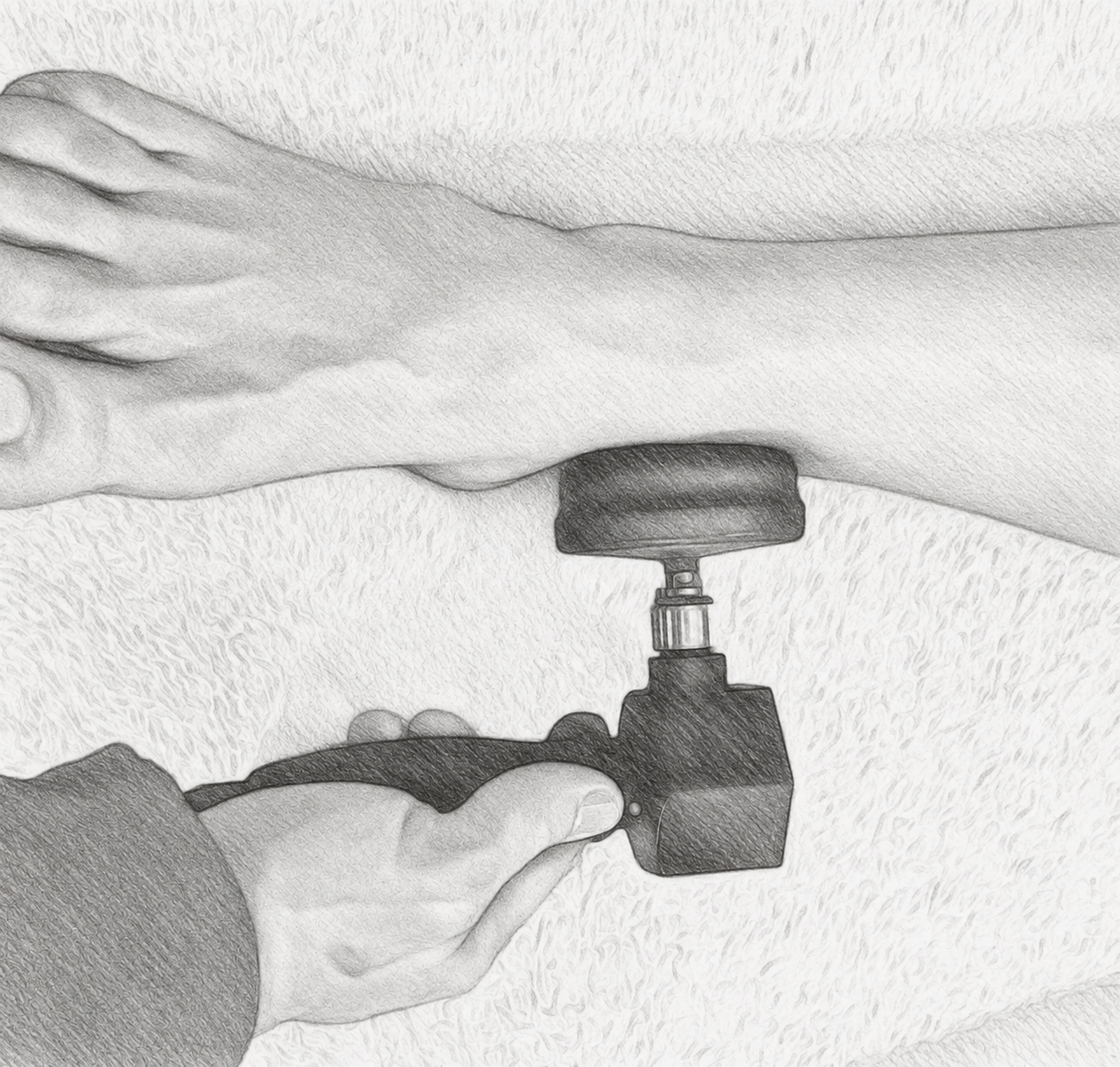
I would like to explain the basics of using the percussor. I will go over the instrument itself. I will leave the particulars about where to place the instrument to the class instructors - these nuances make the Foredom Percussor a spectacular tool.


I will use the analogy of prescribing a medicine to describe the use of the percussor. If a patient has a condition that requires a medicine, first you need a diagnosis - that leads you to the choice of medicine, the dose of the medicine, and the frequency of dosing. The diagnosis portion comes from taking the course.


With the percussor, the frequency of the vibration of the head is the “medicine” - this determines the speed of the head’s vibration. The way to determine this is to palpate the patient’s tissue, then slowly vary the percussor speed until you find the speed that softens the tissue at the site you wish to work. This is the speed that makes the percussor's vibration a “medicine” and resonates with the tissue.


The distance that the percussor head is away from the patient (on the skin with pressure, just touching the skin, or off the body, for example) is the dose. By understanding that the head of the percussor vibrates in the auditory range, and that the loudness (intensity or energy) of a sound varies inversely with the square of the distance. At a given frequency, the closer the head is to the patient, the more energy is delivered to the patient. (To lower the energy, move the head further away or lower the speed. This energy at a specific frequency is what releases the tissue.


The dosing frequency is how many times you will need to treat the patient to prevent the issue from recurring.


This is the briefest of overviews. It is not intended to stand alone or to substitute for class instruction. The particulars of use are described in detail by the instructor(s) in class.


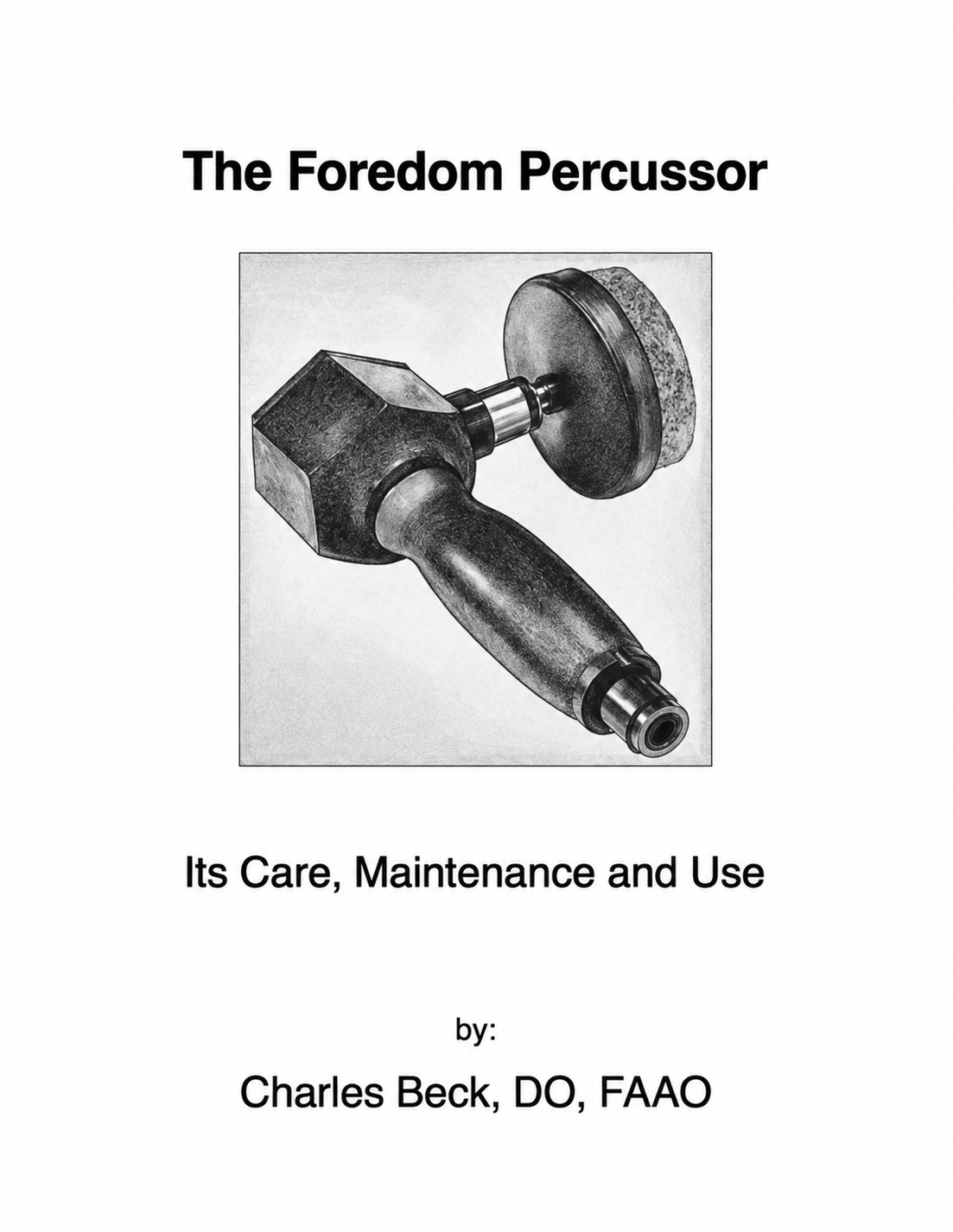
For a more in-depth description and a “how-to” on the care of your percussor, order the first-ever book on the percussor. This book covers maintenance, how to install most replacement parts, care of the percussor, and the basics of its use. The principles for shock removal and percussor handpiece placement are also covered. It is currently in its expanded Fourth Edition, with notes from advanced courses added.


Order yours today HERE for only $37.50


Pad Protection


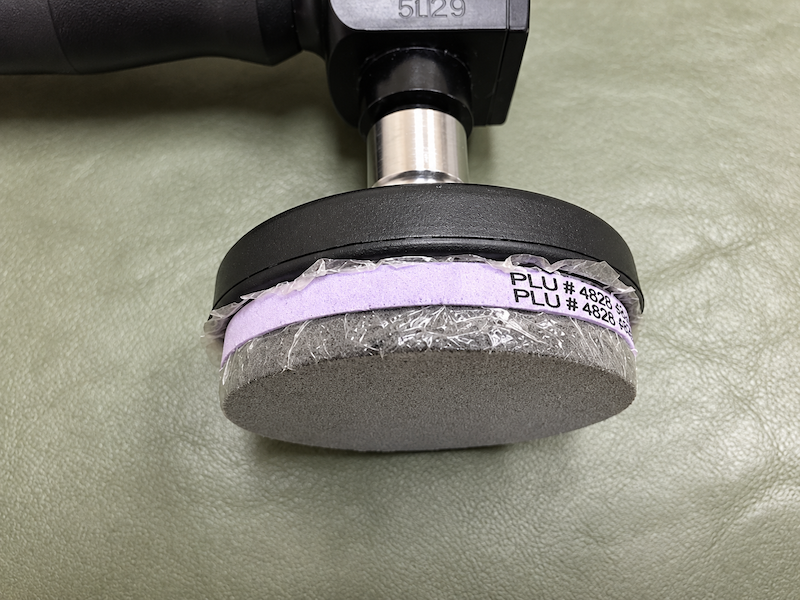
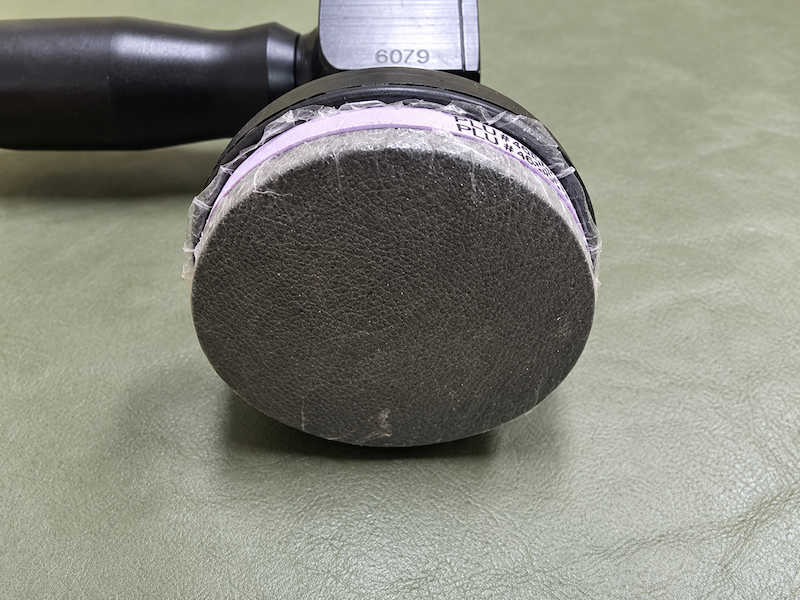
I have had to replace the pad on my percussors a few times over the years. While at a course a few years back, I noticed someone had sewn a little fabric cover for their head. I thought that was a great idea, but I don’t sew. I could not find anyone to do it for me, so I came up with the next best thing. Anyone can do this, and it significantly prolongs your pad's lifespan.


Glad makes a product called Press’n Seal. It is an opaque plastic wrap with a small amount of adhesive on one side. You can cut out a small square, lay it over the pad, and press it down over the edges and sides. Then trim off the excess and secure it so it doesn't come off any more with a wide rubber band (like the ones found on broccoli).


Replace the rubber band and plastic wrap as necessary.


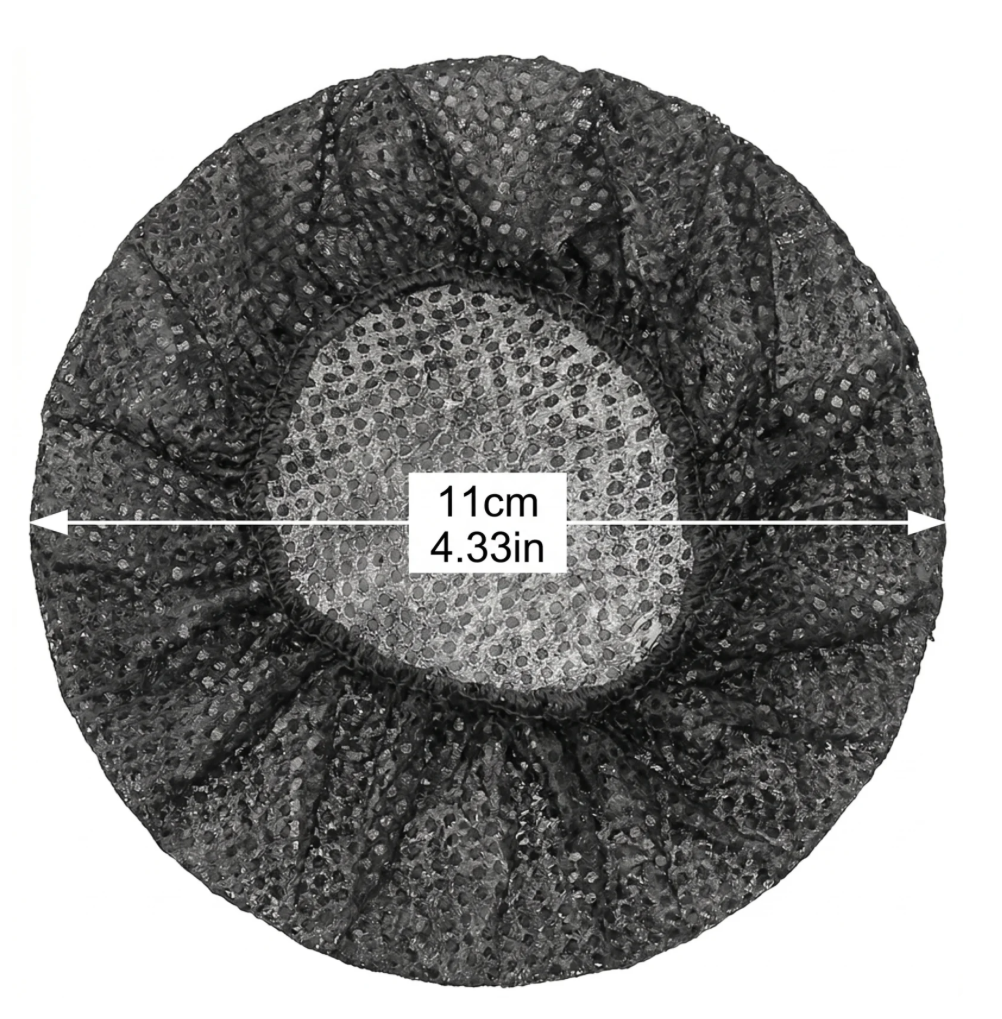
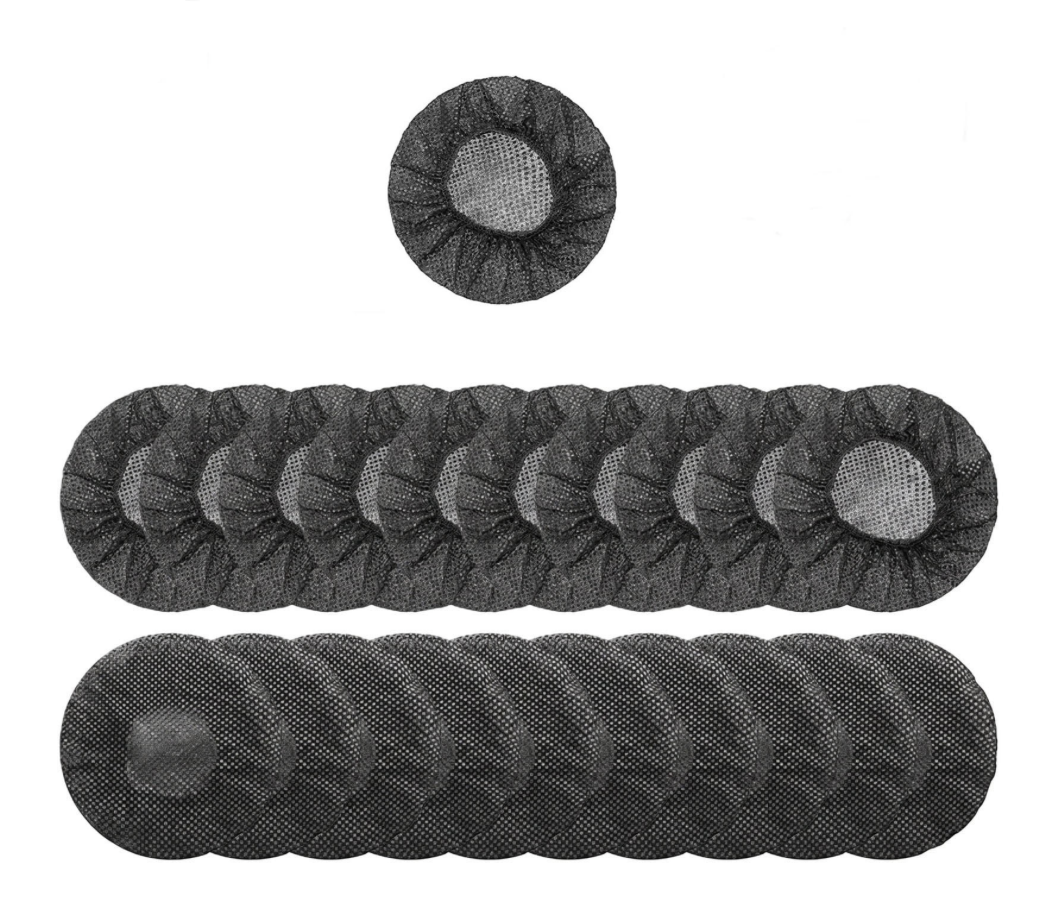
I have found that this not only greatly extends the pad's life (and it does not get rounded off) but also further protects the patient’s clothing. You can also use disposable headphone covers over the plastic wrap as a second layer of protection. They are available online in packs of 50 to 500 pieces.


Sheath Twisting


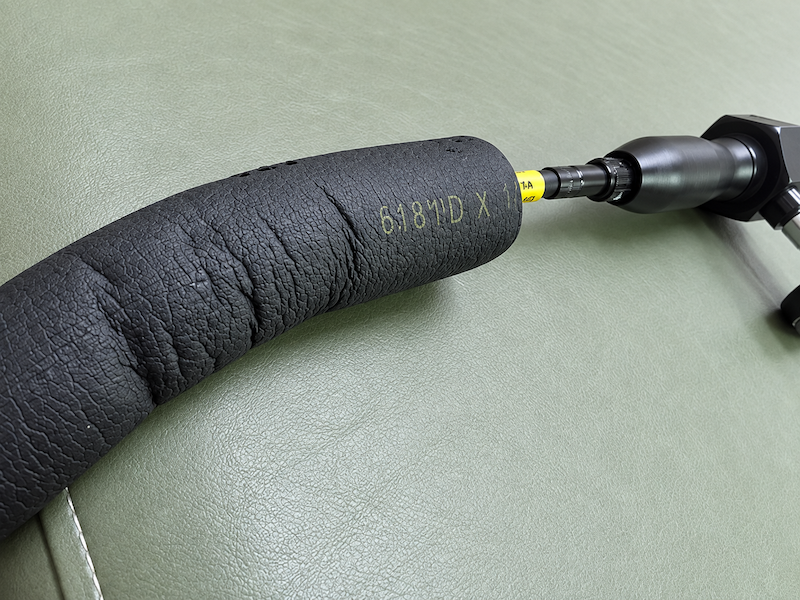
On the very first percussor I used, the shaft/sheath would twist nearly every time I operated the device. I believe it had something to do with the friction between the shaft and the sheath - when the shaft would rotate and rub against the sheath, the sheath would try to rotate too. This would cause the sheath to begin twisting on itself. My solution was to enclose the sheath in water pipe insulation. This is the black foam product that you can apply to insulate your water pipes against the cold. There is a somewhat flexible kind with adhesive that seals itself. I used the 5/8 “ version, and the twisting has not recurred. It also protects the sheath from damage.

Contact Us:
Phone: 317.228.9270
Email: osteopathicclinic@gmail.com

Privacy Policy
We respect your privacy. We do not sell, rent, trade, or share your personal information for marketing purposes, and we do not use your information for advertising or profiling. If you choose to contact us, request service, or place an order, we use only the information you voluntarily provide, as necessary, to respond to you or to complete your request. We do not maintain or use that information for unrelated purposes. Your privacy is important to us, and we collect no more information than is reasonably necessary to provide our services.


© Charles Beck, DO, FAAO, 2026

Elements for macOS application icon. Made in Elements